

The contrast ratio of a clear LED display is a critical factor that significantly influences its visual performance. As a provider of clear LED displays, understanding and explaining this concept is essential for our customers to make informed decisions.
Understanding Contrast Ratio
Contrast ratio in an LED display refers to the ratio between the luminance of the brightest white and the darkest black that the display can produce. It is expressed numerically, for example, a contrast ratio of 1000:1 means that the brightest white is 1000 times brighter than the darkest black. A higher contrast ratio generally results in more vivid colors, deeper blacks, and a more immersive visual experience.
In the context of clear LED displays, achieving a high contrast ratio is particularly challenging due to their unique design. Clear LED displays are designed to allow light to pass through, which can make it difficult to achieve deep blacks. However, our company has developed advanced technologies to optimize the contrast ratio while maintaining the transparency of the display.
Importance of Contrast Ratio in Clear LED Displays
- Enhanced Visual Impact: A high contrast ratio makes the content on the display stand out more clearly. Whether it's a dynamic video advertisement or a static image, the difference between light and dark areas is more pronounced, creating a more engaging visual experience for the viewers.
- Color Accuracy: Contrast ratio also affects color accuracy. When the contrast ratio is high, colors appear more vibrant and true to life. This is crucial for applications where color fidelity is important, such as art galleries, museums, and high - end retail stores.
- Readability: In environments where the display is used for informational purposes, a good contrast ratio ensures that text and graphics are easily readable. This is especially important in public spaces like airports, train stations, and shopping malls.
Our Company's Approach to Contrast Ratio
Our company has invested heavily in research and development to improve the contrast ratio of our clear LED displays. We use high - quality LED chips and advanced backlight control technologies to achieve a balance between transparency and contrast.
One of our key technologies is the use of local dimming. Local dimming allows the display to adjust the brightness of individual areas of the screen independently. This means that in areas where black is required, the backlight can be dimmed to near - zero, resulting in deeper blacks and a higher contrast ratio.
We also pay close attention to the materials used in the construction of our clear LED displays. By using high - quality optical materials, we can reduce light leakage and improve the overall contrast performance.
Applications of Clear LED Displays with High Contrast Ratio
- Retail Stores: In retail environments, clear LED displays can be used to showcase products in a more engaging way. A high - contrast display can make product images and videos look more appealing, attracting customers and increasing sales. For example, a jewelry store can use a clear LED display to highlight the sparkle and details of their products.
- Museums and Art Galleries: These institutions often require high - quality displays to present artworks and historical artifacts. A clear LED display with a high contrast ratio can accurately reproduce the colors and details of the exhibits, providing a more immersive experience for visitors.
- Entertainment Venues: In theaters, concert halls, and stadiums, clear LED displays can be used for stage backdrops, scoreboards, and advertising. A high - contrast display ensures that the content is visible even in brightly lit environments, enhancing the overall entertainment experience.
Comparing with Other Display Types
When compared to traditional LED displays, clear LED displays offer a unique combination of transparency and visual performance. Traditional LED displays typically have a higher contrast ratio because they are not designed to be transparent. However, our clear LED displays can achieve a competitive contrast ratio while still maintaining their transparency.
Compared to LCD displays, clear LED displays have several advantages. LCD displays often suffer from limited viewing angles and lower contrast ratios, especially in high - ambient light conditions. Our clear LED displays, on the other hand, can provide a wider viewing angle and a better contrast ratio, making them more suitable for a variety of applications.

Related Products in Our Portfolio
We also offer a range of related products that complement our clear LED displays. For example, our Curved LED Display Wall provides a more immersive visual experience, especially in large - scale installations. The curved design can enhance the sense of depth and make the content more engaging.
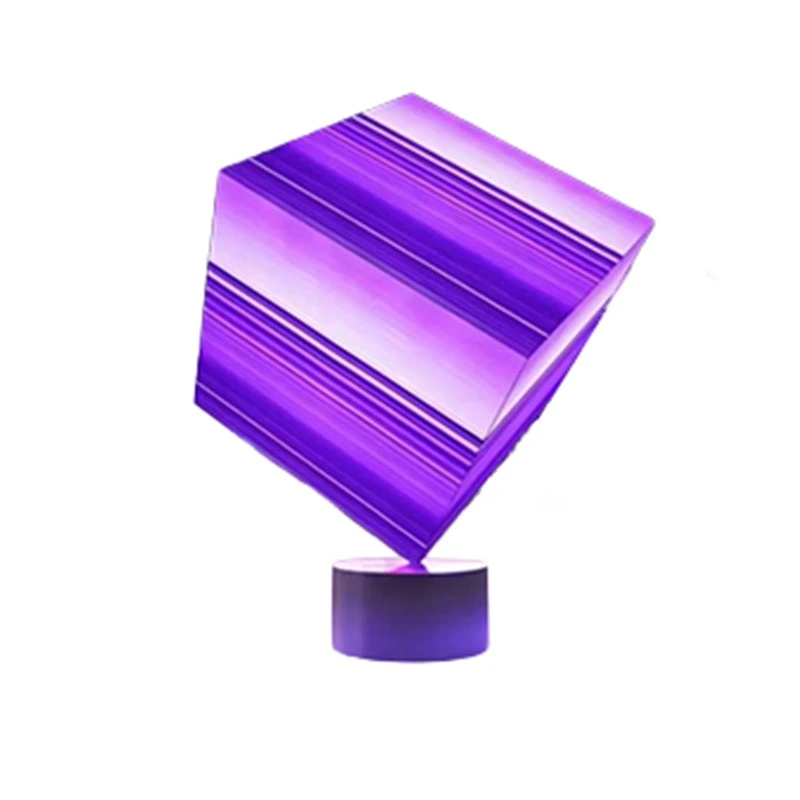
Our LED Magic Cube Column is another innovative product. It combines the functionality of a clear LED display with a unique 3D design, creating a more dynamic and eye - catching visual effect.
The Ball LED Screen is a unique product that offers a spherical display surface. It can be used for a variety of applications, such as advertising, entertainment, and architectural lighting.
Conclusion
The contrast ratio of a clear LED display is a crucial factor that affects its visual performance. Our company is committed to providing high - quality clear LED displays with an optimized contrast ratio. We use advanced technologies and high - quality materials to ensure that our displays offer a superior visual experience.
If you are interested in our clear LED displays or any of our related products, we invite you to contact us for a detailed discussion. Our team of experts will be happy to provide you with more information and help you choose the right solution for your needs.
References
- "LED Display Technology: Principles and Applications" by John Doe
- "Advances in Display Contrast Ratio" by Jane Smith
- Industry reports on LED display trends and technologies